


LIMS

Every sample should tell its complete story.

Connect experiments, samples, instruments, results, review and reporting in one traceable laboratory system.

Why LIMS?

A LIMS keeps sample status, instrument data, decisions and evidence in one current record so teams can see what is happening without chasing information or rebuilding history.

This is where continuity helps

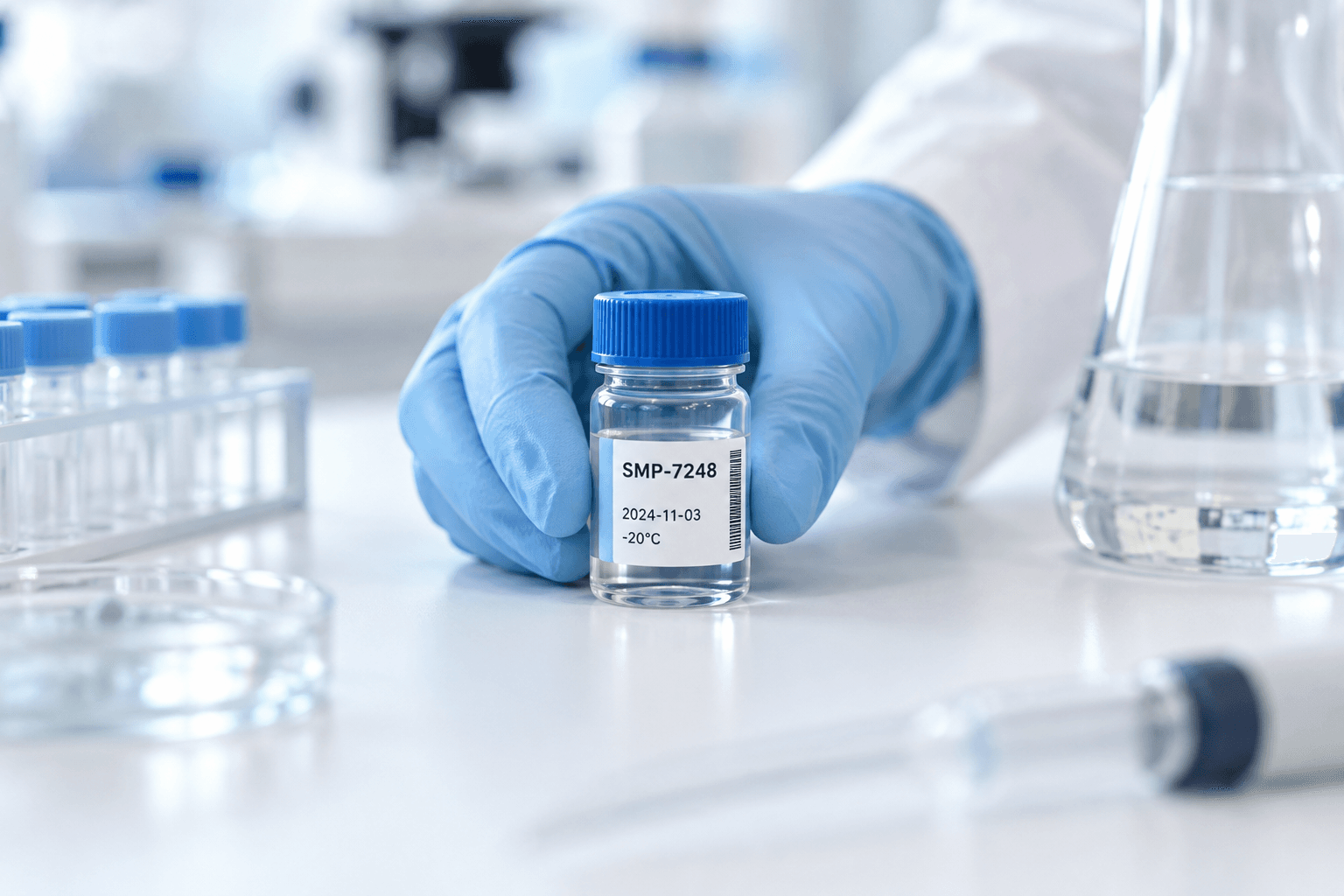
A central sample record shows its identity, current state, location, history and related work.

Can you trace a result?

Pick a reported result. Can you trace it to the sample, method, instrument and approval? A LIMS keeps those records connected.

Without a LIMS

The information exists, but each part must be found, interpreted and matched manually.

  1. Notebook
  2. Spreadsheet
  3. Shared folder
  4. Instrument PC
  5. Email approval
Result or context missing

With a LIMS

The sample, work, result and decision remain part of one traceable record.

  1. Registered
  2. Prepared
  3. Measured
  4. Reviewed
  5. Reported

A LIMS keeps each result connected to its sample, method, instrument and approval, so people can make confident decisions without rebuilding the story.

Where does your laboratory lose continuity?

Select a handoff to see what becomes difficult to find, verify or prove when the records separate.

Selected handoff

ResultReview

Files, context and approval history separate here.

What becomes difficult?

  1. Judging whether the result is valid
  2. Finding the method and raw evidence
  3. Understanding previous comments or decisions

What a LIMS keeps attached?

  1. Raw result and method
  2. Sample and instrument context
  3. Validation state
  4. Reviewer, decision and timestamp
4 of 5

Connected scope

A useful LIMS connects the records and decisions that matter in your laboratory without forcing every team into the same template.

Experiments and work

Connect scientific intent to released activities, responsibilities and execution history.

  1. Projects and experiments
  2. Processes and activities
  3. Recipes and methods
  4. Work assignments
  5. Execution attempts

Samples and materials

Preserve identity and history as physical materials move, split, combine or change.

  1. Sample identity
  2. State and location
  3. Genealogy
  4. Batch position
  5. Chain of custody
  6. Material lots

Instruments and resources

Connect laboratory work to the equipment, people and materials required to perform it.

  1. Equipment capability
  2. Calibration and maintenance
  3. Reservations
  4. Operator qualification
  5. Material readiness
  6. Instrument files

Results and evidence

Keep measurements, analysis, review and reporting connected to their original sources.

  1. Raw artifacts
  2. Measurements
  3. Validation
  4. Analysis
  5. Deviations
  6. Approvals
  7. Reports

Deployment and integration

Run the LIMS inside your infrastructure and connect it to the systems your teams already use.

On-premise deployment
Keep sensitive laboratory records and integrations within your controlled environment where required.
Instrument integration
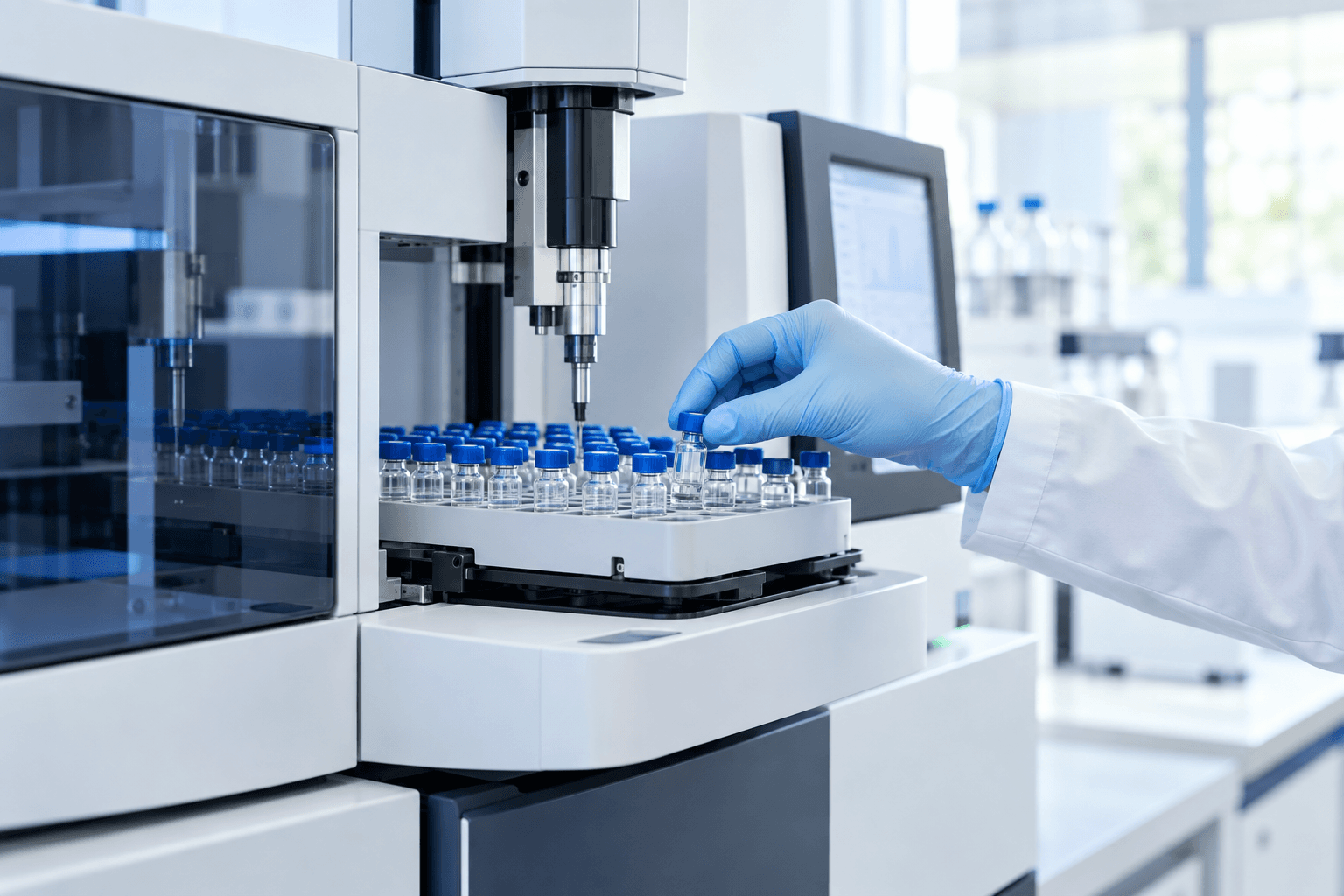
Connect file-based, API-based and legacy sources while preserving raw evidence and visible validation states.
Existing-system integration
Exchange approved information with ERP, reporting, identity, storage and operational systems.
Controlled migration
Move the records that must remain usable and traceable. Avoid importing obsolete structure simply because it already exists.

FAQ